Table of Contents
ToggleDoor and window alarms are the unsung heroes of home security, simple, affordable, and surprisingly effective at catching break-ins before they happen. Whether you’re protecting against casual intruders or just want peace of mind when you’re away, a door and window alarm system adds a layer of protection without the installation hassle of a full security setup. This guide walks you through what they are, how they work, how to install them, and what features actually matter when choosing one.
Key Takeaways
- Door and window alarms use magnetic contact switches to detect openings and trigger an audible alarm, offering affordable, DIY home security without professional installation.
- Installation takes minutes using adhesive backing or brackets on door frames and window sashes; clean surfaces thoroughly and test the alarm immediately after setup.
- Choose alarms rated 100+ decibels for effective deterrence, verify battery life ratings, and consider smart features like phone notifications only if you want remote monitoring.
- Glass break detectors complement magnetic sensors by listening for shattering glass frequencies, making them essential for ground-floor windows and sliding glass doors.
- Door and window alarms work on virtually all door and window types (French doors, sliding doors, casements) and are ideal for renters since they leave no permanent marks.
What Are Door and Window Alarms?
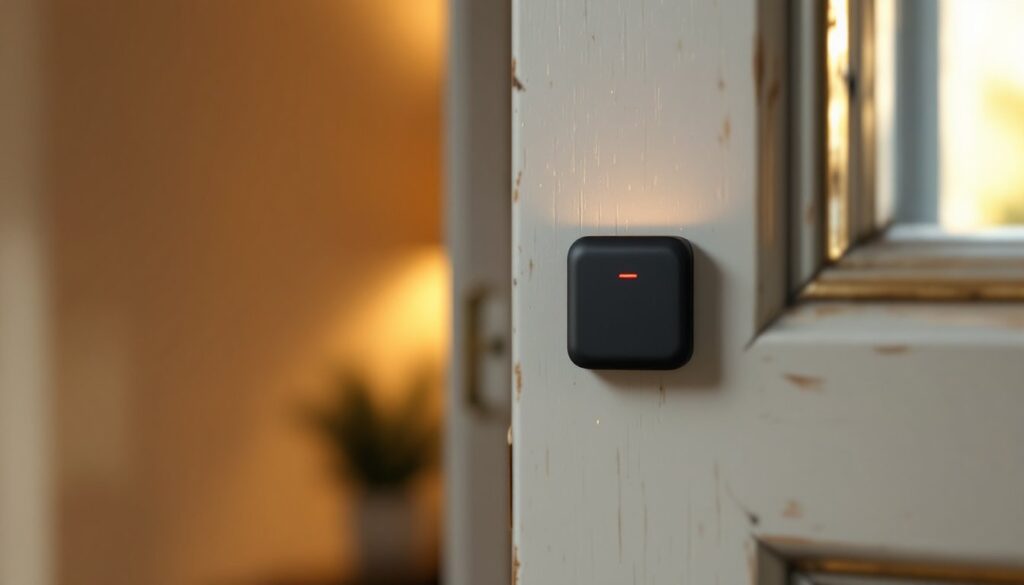
Door and window alarms are standalone security sensors that detect when a door or window opens and trigger an audible alarm. Most use a magnetic contact switch: a magnet on the moving part (the door or window sash) aligns with a sensor on the fixed frame. When the magnet moves away, meaning the door or window is opening, the circuit breaks and the alarm sounds.
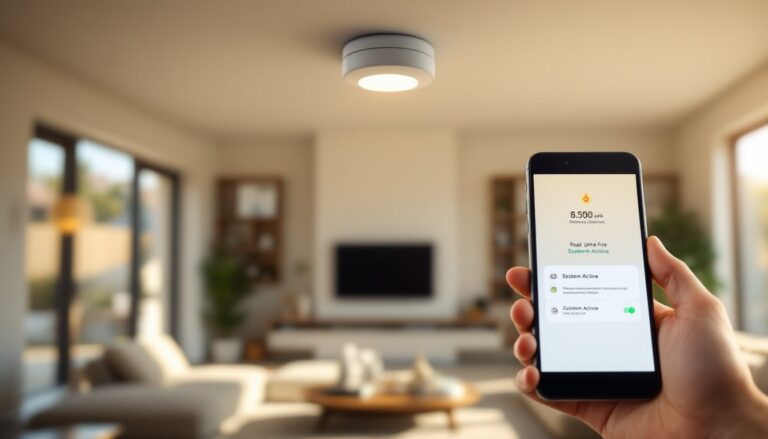
These devices are distinct from professional monitored alarm systems. There’s no central hub, no cellular backup, and no security company dispatching a response. The alarm is entirely local: it alerts people nearby that a breach has occurred. Think of them as a burglar deterrent and a first-line notification system rolled into one. Some models also include wireless connectivity or smart home integration, allowing you to receive alerts on your phone, but the core function remains the same.
The beauty is simplicity. No wiring, no permits, no professional installation. Stick the magnet on the moving part, stick the sensor on the frame, and you’re done. Battery-powered models typically run for months or even years on a pair of AA or AAA batteries. For renters, apartment dwellers, or anyone who doesn’t want to commit to hardwired security, door and window alarms are a practical entry point into home security.
Types of Door and Window Alarms
Magnetic Contact Sensors
Magnetic contact sensors are the most common type and work on the principle described above. The sensor housing (about the size of a deck of cards or smaller) contains the switch. When the magnet moves away, the switch opens, completing a circuit that triggers the alarm. Installation is straightforward: measure the gap between the door or window frame and the moving part, then position the sensor and magnet so they face each other when closed.
Most models have adjustable sensitivity and can be wired or wireless. Wired versions connect to a central control panel: wireless ones communicate via radio frequency. Home Door Alarm systems, and they work on nearly every door and window type, sliding doors, French doors, casements, double-hung windows, you name it. Battery life depends on usage frequency: a heavily traveled door drains batteries faster than one that’s rarely opened.
Glass Break Detectors
Glass break detectors serve a different purpose: they listen for the acoustic signature of breaking glass. Rather than detecting motion, they use a microphone to “hear” the specific frequency and pattern of glass shattering. When triggered, they sound an alarm immediately.
These are essential if you have ground-floor windows or sliding glass doors that could be smashed to gain entry. They’re more sophisticated than contact sensors and often cost more. Some models can distinguish between breaking glass and loud noises (like a slamming door or a dropped pot), though false alarms can still happen. Placement matters: mounting them near the glass but away from direct vibration sources gives the best results. Many homeowners combine both magnetic sensors and glass break detectors for comprehensive window protection.
How to Install Door and Window Alarms
Installation is one of the biggest advantages of door and window alarms. Unlike hardwired systems that require running conduit and fishing wires through walls, these stick-on sensors take minutes to install.
Tools and Materials You’ll Need:
• Measuring tape
• Small level (optional but helpful)
• Alcohol or degreaser (to clean surfaces)
• Lint-free cloth
• Batteries (typically AA or AAA: check your alarm model)
• Door and window alarm sensors (magnetic contact or glass break)
Installation Steps:
-
Clean the surfaces where the sensor and magnet will mount. Dust, dirt, or old adhesive reduces bond strength. Wipe with a cloth dampened with rubbing alcohol and let dry completely.
-
Measure the gap between the door or window frame and the moving part when closed. This determines how far apart the sensor and magnet can be. Most sensors work up to ½ inch separation, though you’ll want them as close as possible for reliability.
-
Position the sensor on the fixed frame (the door or window jamb) and the magnet on the moving part (the door or window sash). Use a level to keep things square if you prefer, though it’s not critical for function.
-
Peel and stick the adhesive backing. Press firmly for 30 seconds to ensure good adhesion. Some people use small brackets or wood screws for extra security, especially on doors that see heavy use.
-
Install batteries and test the alarm by opening the door or window. It should beep immediately.
-
Adjust sensitivity if your model has a dial or switch. Too sensitive causes false alarms: too low and you won’t catch actual breaches.
For sliding glass doors, place the sensor and magnet on the side frame. For windows, magnetic sensors go on the sash and frame: glass break detectors mount on the glass itself or the frame nearby. On metal doors or frames, adhesive sometimes struggles to stick. Use 3M industrial-strength mounting tape or small angle brackets instead.
When installing on a rental property, use removable adhesive strips so you can take the alarms with you. The small nail holes or bracket marks are easy to patch, and landlords are usually fine with security upgrades that don’t alter the property permanently.
Key Features to Look For
Not all door and window alarms are created equal. Here are the features that actually matter when shopping.
Volume and Alarm Type: A good alarm needs to be loud enough to deter an intruder and alert you or neighbors, typically 100+ decibels. Some models offer a choice between a loud siren and a chime sound (useful if you want notifications without full alarm volume). Verify the decibel rating in the product specs: don’t rely on marketing claims alone.
Battery Life and Type: Alkaline AA or AAA batteries are standard and widely available. Look for models that indicate remaining battery life or have a low-battery warning beep. Some last six months, others two years or more, depending on how often the door or window is opened.
Smart Features (Optional): If you want phone notifications when a door or window opens, look for wireless or Wi-Fi-enabled models. These sync with a hub or directly to an app. This is convenient for checking if a door was left open while you’re at work, but it adds cost and complexity. For basic security, wired or simple wireless contact alarms work fine. Brinks Home Alarm and, but standalone wireless alarms from reputable brands are usually cheaper if you don’t want professional monitoring.
Reliability and Brand Reputation: Read reviews from verified purchasers on retail sites. Look for patterns: do units fail after a few months? Are there false alarm complaints? Trusted brands in the entry-level market include GE Enbrighten, SafetyTech, and Securityman, though many hardware stores carry house-brand versions that work just as well.
Weather Resistance: If installing outdoors or in a garage, choose models rated for temperature extremes and humidity. Interior sensors don’t need this, but patio doors or storm windows do.
Wireless vs. Wired: Wired alarms connect to a central hub and can be programmed as a system. Wireless standalone alarms are independent, each one has its own alarm button or remote control. Wired is better if you want centralized arming/disarming: wireless is simpler for renters or quick retrofitting. Some hybrid systems offer both. When a device needs repair, home alarm repair professionals can assess whether it’s a battery issue, a sensor problem, or a connection failure, though most DIYers can troubleshoot basics on their own.
Conclusion
Door and window alarms are a no-fuss way to bolster home security without breaking the budget or your lease agreement. A few well-placed magnetic sensors on entry points, plus glass break detectors on vulnerable windows, create a formidable first line of defense. Installation is straightforward enough that most homeowners can handle it in an afternoon. Start with your main entry doors and ground-floor windows, test everything, and expand as needed. Combined with good habits, locking doors, closing windows, and staying aware, they’re a practical, affordable piece of the security puzzle.