Table of Contents
ToggleA working fire alarm or sprinkler system can be the difference between a close call and a catastrophe. Most homeowners understand that these systems matter, but many remain unsure about how they work, whether they need both, or how to maintain them properly. If you’re renovating a space, upgrading your home’s safety features, or simply want to understand what’s protecting your family, this guide walks you through the essentials. We’ll cover the basics of fire alarm and sprinkler systems, explain when each is needed, and show you what DIY maintenance looks like so you can keep your home as safe as your skill level allows.
Key Takeaways
- Fire alarms and sprinkler systems work together as complementary layers of home protection—alarms provide early warning while sprinkler systems suppress fires automatically once heat reaches a critical temperature.
- A fire alarm sprinkler system requires different maintenance: alarms need monthly testing and battery replacement every six months, while sprinklers demand annual professional inspections and winterization in cold climates.
- Fire alarm installation is a straightforward DIY project costing $15–$40 per unit, but sprinkler system installation typically requires licensed professionals and may cost $3,000–$7,000+ to retrofit an average home.
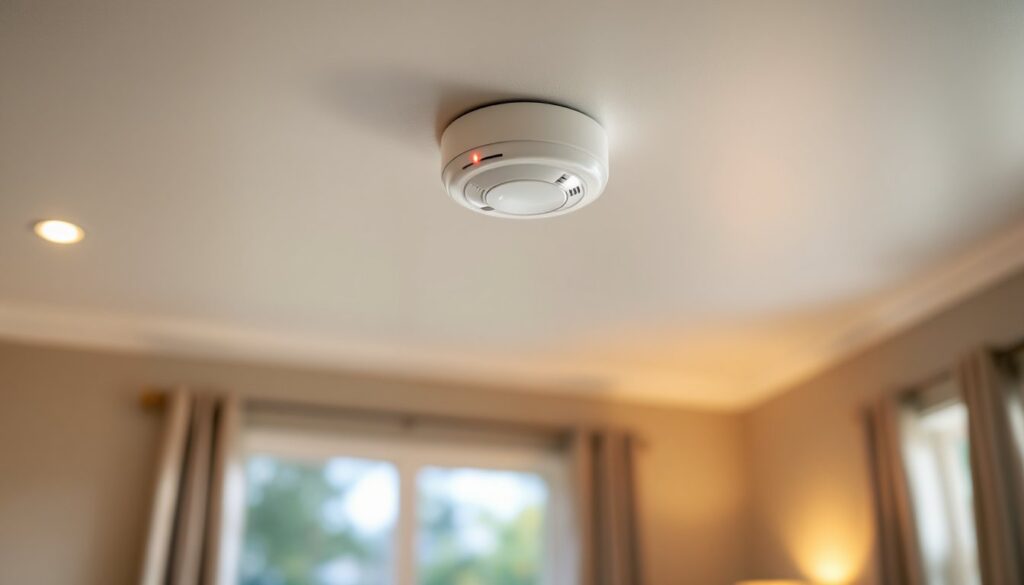
- Install smoke and heat alarms in every bedroom, outside sleeping areas, and on every level of your home, mounted 4–12 inches from the ceiling for optimal detection coverage.
- Most U.S. states require fire alarms in new residential construction, but sprinkler mandates vary by jurisdiction—check your local fire marshal’s office before planning renovations to understand budget and compliance requirements.
- Test fire alarms monthly by holding the test button for 3–5 seconds, replace batteries every six months, and mark the 10-year replacement date on each unit to maintain consistent home safety protection.
Understanding Fire Alarm and Sprinkler System Basics
Fire alarm and sprinkler systems are complementary but separate layers of home protection. A fire alarm detects smoke or heat and alerts occupants with an audible or visual signal, its job is early warning so you can evacuate safely. A sprinkler system, by contrast, suppresses or extinguishes a fire automatically by releasing water once heat reaches a certain threshold. Neither replaces the other: both have distinct roles.
Most homes rely on fire alarms as the primary warning device. They’re affordable, require minimal installation, and are mandatory in every U.S. state for new residential construction. Sprinkler systems are far less common in single-family homes, partly because they’re expensive to retrofit and homeowners sometimes worry about water damage from false activations. But, codes in some jurisdictions now require sprinklers in new builds or major renovations, so it’s worth checking your local fire marshal’s office before planning any structural work.
Understanding both systems helps you make informed decisions about your home’s safety strategy. If you’re doing any remodeling, especially in kitchens, bathrooms, or bedrooms, now is an ideal time to audit your current protection and plan upgrades if needed.
Key Differences Between Fire Alarms and Sprinkler Systems
The most obvious difference is timing and response. A fire alarm reacts within seconds of detecting smoke or heat, alerting people to get out. A sprinkler activates when the fire itself reaches a certain temperature (usually 155–165°F at the sprinkler head), meaning it responds to the fire’s heat, not just smoke. This slight delay doesn’t make sprinklers less valuable: it makes them partners with alarms. Alarms give you warning: sprinklers buy time and reduce damage while emergency services respond.
Cost and complexity also differ significantly. A basic ionization or photoelectric smoke detector costs $15–$40 and takes minutes to install. A whole-home sprinkler system for a 2,000-square-foot house typically runs $3,000–$7,000+ if retrofitted, and installation requires understanding water pressure, pipe sizing, and often a licensed installer. This is why most DIYers focus on alarms rather than sprinklers.
Maintenance demands are different too. Alarms need battery checks quarterly and replacement every 10 years. Sprinkler systems require annual inspections, flow tests, and regular checks for corrosion, freeze damage, or blocked heads. If you live in a cold climate, winterization becomes critical to prevent pipe rupture.
Types of Fire Alarm Systems for Residential Homes
The three main types of residential fire alarms each have trade-offs. Ionization alarms respond quickly to flaming fires that produce fewer visible particles: they’re cheaper but can miss smoldering fires. Photoelectric alarms detect visible smoke particles better and excel at catching slow, smoky fires: most fire safety experts recommend them for bedrooms. Ideally, you install both types or choose dual-sensor alarms that combine both technologies.
Alarms also come in hardwired or battery-powered versions. Hardwired alarms, wired into your home’s electrical system, are interconnected (one alarm triggers all of them) and have battery backup for power outages. Retrofitting hardwired alarms requires running new wire through walls, doable if you’re already opening walls, trickier if you’re not. Battery-powered alarms are quick to install and work anywhere, but you must remember to replace batteries and they don’t interconnect unless you buy wireless models at a premium price. For safety, the National Fire Protection Association (NFPA) recommends alarms in every bedroom, outside sleeping areas, and on every level of your home, with wireless interconnection if hardwired isn’t feasible.
Types of Sprinkler Systems and When to Use Them
Home sprinkler systems come in two main flavors: wet-pipe and dry-pipe. A wet-pipe system has water under pressure in all pipes at all times. When a sprinkler head’s thermal link breaks (usually at 155°F), water flows immediately. These are the most reliable and efficient, but they’re vulnerable to freezing in cold climates, burst pipes can render the whole system useless. A dry-pipe system keeps pressurized air in the pipes instead of water. When a fire heats a sprinkler head, the air vents, allowing water to enter and flow. Dry-pipe systems protect against freezing but are more complex, costlier, and slightly slower to activate (adding a second or two of delay).
Most residential retrofits use wet-pipe if the home is heated year-round. If you’re installing sprinklers in a garage, attic, or any unheated space, dry-pipe or specialized antifreeze systems become necessary. The mechanics of fire suppression, including the precise temperatures and flow rates, are detailed in resources like How Do Fire Sprinkler Systems Work?, which explains how thermal links trigger activation.
When sprinklers are mandated varies by jurisdiction and is often tied to square footage, occupancy type, or recent renovation scope. Some areas require them in all new single-family homes: others mandate them only in multifamily buildings or commercial spaces. Before assuming you need them, contact your local building department or fire marshal. If you’re planning a major addition or renovation that triggers permit review, sprinkler requirements may emerge at that stage, plan your budget accordingly.
Installation Considerations for DIY Homeowners
Honestly, fire alarm installation is a solid DIY project for most homeowners. Battery-powered smoke and heat alarms can go up in an afternoon with just a drill, drywall anchors, and a level. Mount them 4–12 inches from the ceiling (ceiling-mounted is best for even coverage) or 4–12 inches down from the ceiling if wall-mounted, away from corners where dead air pockets form. Follow the manufacturer’s wiring diagram if you’re interconnecting multiple alarms, this is straightforward on wireless models but requires care on hardwired systems if you’re tapping into existing electrical circuits.
Sprinkler system installation, by contrast, is usually not a DIY job for the average homeowner. Proper sizing requires calculating your water supply’s flow rate and pressure, determining which sprinklers suit each room (ceiling-mounted heads in bedrooms, sidewall heads in hallways), and ensuring head spacing meets NFPA codes to guarantee coverage. Mistakes in pipe diameter or head placement can create dead zones where fires aren’t suppressed. Most municipalities require a licensed sprinkler contractor to design and install the system, and permits and inspections are mandatory. If you’re handy with plumbing and patient with code requirements, you could rough-in sprinkler lines yourself and have a licensed contractor handle testing and certification, but this hybrid approach is rare and still requires professional sign-off.
For either system, read the installation manual thoroughly before opening boxes. Identify all mounting locations, check ceiling material (drywall, popcorn, stucco each needs different anchors), and ensure you have the right fasteners. Take photos of your wiring or pipe layout as you go: it’ll help during future troubleshooting.
Maintenance and Testing Your Fire Safety Systems
Fire alarms demand minimal upkeep but require consistency. Test every alarm monthly by holding the test button for 3–5 seconds until it shrieks: if nothing happens, check the battery or replace the unit. Replace batteries every six months (marking dates on your calendar or using battery-operated reminder events helps). Alarms themselves should be replaced every 10 years, mark the installation date on the label with a permanent marker so you don’t lose track. Dust and debris can clog sensors over time: gently vacuum the cover grille every few months or wipe it with a dry cloth.
Sprinkler system maintenance is more involved and usually requires a professional. Annual inspections should check for corrosion, leaks, bent pipes, or obstructed sprinkler heads (furniture, shelves, or drywall that’s crept in front of a head will prevent proper water spray). A flow test verifies water pressure and volume meet design specs. If you live in a freezing climate, winterization in fall, which drains the system or injects antifreeze, is non-negotiable. Spring recommissioning then repressurizes the system and checks for freeze damage.
For hardwired fire alarms, test interconnection by pressing the test button on one unit and confirming all other alarms sound. If not all alarms trigger, a wireless connection may have failed or wiring may be loose, this is a reason to call a licensed electrician rather than troubleshoot on your own. Record test dates in a small notebook or phone note so you have proof of compliance if an insurance claim or building inspection ever happens. That same documentation habit, keeping records of how to turn off fire alarm procedures and your last system test, helps when a guest accidentally triggers an alarm or you’re preparing your home for sale. Resources like The Spruce and The Spruce Crafts offer additional home safety checklists that can integrate fire system maintenance into your broader home care routine.
Conclusion
Fire alarms and sprinkler systems are investments in peace of mind and survival. Start with functional alarms in every bedroom and on every level, they’re affordable, easy to install, and proven lifesavers. If your jurisdiction mandates sprinklers or you’re building new, budget generously and hire licensed professionals: this isn’t a place to cut corners. Test your alarms monthly, replace batteries twice yearly, and mark those 10-year replacement dates. Your future self will thank you when every system works exactly as intended when it matters most.