Table of Contents
ToggleA passive alarm system keeps watch without demanding your constant attention. Unlike traditional sirens that blast at the slightest bump, passive systems use silent sensors and discreet monitoring to detect intrusions, breaks, and motion. For homeowners tired of false alarms or complicated setups, passive security offers peace of mind without the drama. Whether you’re protecting a single entry point or an entire home, understanding how these systems work and how to install them yourself can save money and strengthen your home’s defenses significantly.
Key Takeaways
- A passive alarm system uses silent sensors to detect intrusions without loud sirens, alerting you or a monitoring service while keeping intruders unaware they’ve been detected.
- Door and window magnetic contact sensors are the easiest and most affordable starting point, costing $10–$25 per unit and requiring no drilling or professional installation.
- Combine passive infrared motion detectors with glass break sensors for comprehensive coverage, as PIR sensors detect movement while glass break sensors catch silent entry attempts through windows.
- Proper mounting height and placement are critical to avoid false alarms—position door sensors at frame tops, motion detectors 6–8 feet high at 45-degree angles, and keep sensors away from heat sources and direct sunlight.
- DIY installation is straightforward and cost-effective, with most homeowners outfitting an average home for under $300 using wireless, battery-powered sensors that require minimal maintenance.
- Test all sensors before finalizing placement, schedule annual battery replacements, and perform seasonal system checks to ensure reliable protection and prevent slow battery drain from compromising your home’s security.
What Is a Passive Alarm System and How Does It Work?
A passive alarm system detects threats without active motion or intervention. Unlike motion-activated lights that turn on every time a leaf blows by, passive systems sit dormant until triggered by specific events, a door opening, a window breaking, or an intruder crossing an infrared beam.
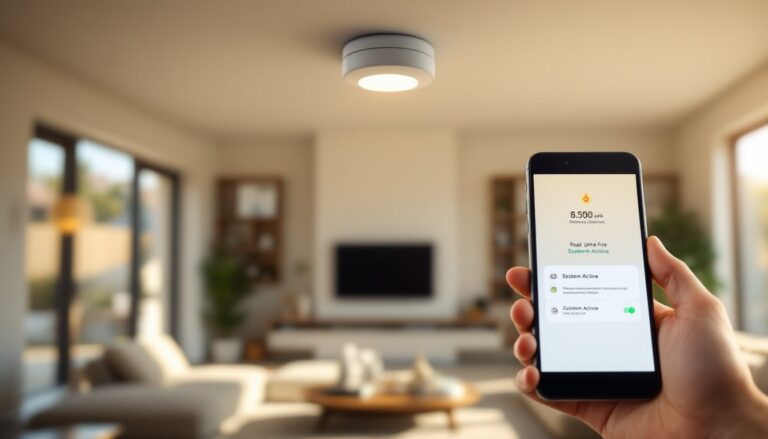
The core concept is simple: sensors detect changes, send signals to a control panel, and the panel either alerts you, logs the event, or triggers a silent signal to a monitoring center. No movement required from you. Most passive systems use wireless sensors that communicate via radio frequency or WiFi, eliminating the need to run wires through walls. Battery-powered sensors last months or even years between replacements.
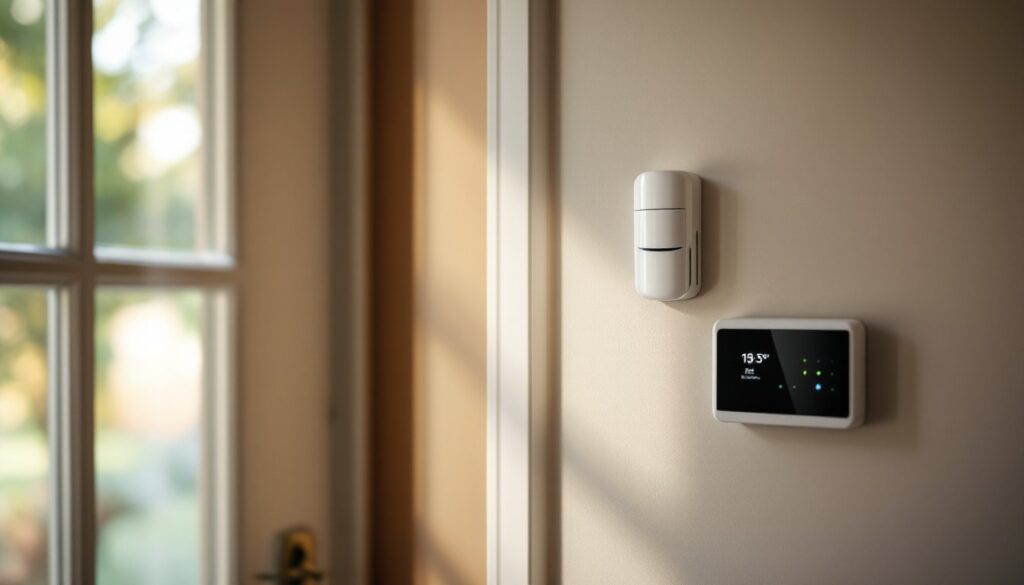
Passive infrared (PIR) sensors are the backbone of many systems. They detect heat signatures, so a human intruder moving across a room triggers the alarm, but a pet walking past won’t (depending on the sensor’s sensitivity settings). Door and window contact sensors use magnetic switches: when the door opens or window lifts, the magnet separates from the switch, completing a circuit that alerts the system.
Types of Passive Alarm Sensors for Your Home
Door and Window Sensors
Magnetic contact sensors are the easiest to install and the first line of defense. A magnet attaches to the moving part (door or window sash), and a switch mounts on the fixed frame. When separated, the circuit breaks and the alarm triggers. Recessed sensors sit flush in the frame, while surface-mounted versions stick on. For sliding doors and windows, dual-magnet sensors ensure both panes trigger if one slides open.
These sensors work on any door or window, wood, vinyl, metal, and cost $10 to $25 per unit. Install them at entry points: front and back doors, basement windows, and any ground-floor glass. Avoid mounting sensors where vibration from traffic or wind might cause false alarms: test before finalizing placement.
Motion Detectors and Glass Break Sensors
Passive Infrared (PIR) motion detectors scan a room and alert when a warm body moves through their field. Most cover a 90-degree arc up to 40 feet away, though cheaper models are closer to 25 feet. Place them in hallways, basements, or main living areas where an intruder would likely pass. Avoid pointing them at heat sources, direct sunlight through a window, heating vents, or radiators, which trigger false alarms.
Glass break sensors detect the acoustic frequency of breaking glass rather than relying on motion. This matters because tempered window panes don’t always trigger PIR sensors, and an intruder might enter slowly enough to avoid motion detection. Glass break sensors mount near windows and respond to the distinct sound of shattering glass. A good system combines both: PIR for movement and glass break for silent entry attempts.
These sensors range from $30 to $100 depending on type and range. Motion Sensor Alarm for covers details on integrating motion detection into a complete setup.
Why Choose a Passive Alarm System for Your Home?
Passive systems excel because they work silently and require minimal maintenance. There’s no loud siren disturbing neighbors at 3 a.m. for a false alarm. Silent sensors mean intruders don’t know you’ve detected them, the alert goes to you or a monitoring service, giving authorities a real-time advantage.
Cost is another draw. A single door sensor runs $10 to $25: a PIR motion detector costs $30 to $50. You can outfit an average home for under $300 without professional installation. Home Door Alarm: Your and Home Alarm System Battery: dive deeper into specific solutions and long-term reliability.
DIY installation is straightforward. Magnetic sensors require only adhesive or small brackets, no drilling, no permits. Wireless PIR sensors clip into corners or wall mounts with a few fasteners. Because most systems are battery-powered and communicate wirelessly, rewiring an entire house isn’t necessary.
Passive systems also scale. Start with a single door sensor and expand as your comfort grows. Add motion detectors to second-story bedrooms, glass break sensors to large windows, or retrofit an older home without lifting floorboards. Essential Home Alarm Guidance: Your Complete Guide to Choosing the Right Security System – Rivifoods explains how to layer protection strategically.
Installation Tips for DIY Homeowners
Before you buy anything, walk through your home and identify entry points. Mark doors, ground-floor windows, basement access, and any glass panes an intruder could break. Note which walls receive direct sunlight (important for PIR placement) and where pets sleep (to avoid false triggers).
Surface preparation is critical. Dust, paint residue, or moisture reduces adhesive bond strength. Wipe mounting surfaces with a clean, dry cloth or rubbing alcohol. For magnetic sensors, ensure the magnet and switch are perfectly aligned, misalignment causes missed triggers or continuous false alarms. Test alignment before fully securing.
For battery-powered wireless sensors, check battery type (usually AA or CR2032) and shelf life. Alkaline batteries in cold climates drain faster: lithium alternatives handle temperature swings better. Install fresh batteries before mounting, and note the installation date on a label. Most sensors beep or flash a low-battery warning 2-3 months before failure.
Mounting heights matter. Door sensors mount at the top of the frame (hidden and less likely to be kicked off). Window sensors go on the sash or at the corner of horizontal sliders. Motion detectors should be 6-8 feet high on interior walls, aimed downward at a 45-degree angle to catch an intruder walking below but not ceiling fans or curtains swaying above.
Test before finalizing. Open a door or window and confirm the alarm triggers. Walk past a motion detector to verify it responds. If it doesn’t, check battery charge, re-seat connections, and test the control panel’s sensitivity settings. Most false alarms come from mounting sensors in the wrong spot or forgetting to arm the system.
Wireless range varies. A typical system works within 100 feet indoors, but thick walls, metal studs, or interference from WiFi routers can reduce range. If a sensor doesn’t communicate, move it slightly or relocate the hub closer to that sensor. Brinks Home Alarm: Your and Ring Home Alarm System: illustrate commercial systems that blend passive and active monitoring.
Consider today’s homeowner maintenance checklists to schedule seasonal checks of your system and refresh batteries annually. Review your system’s app or manual quarterly to ensure sensors still communicate and haven’t been accidentally disarmed. Most passive systems require minimal upkeep, but annual audits catch slow battery drain or sensor drift before a real intrusion happens.
Conclusion
A passive alarm system is a practical, affordable way to monitor your home without false alarms or complex wiring. Start with door and window sensors on entry points, add motion or glass break detection where gaps remain, and test regularly. DIY installation saves money while keeping control in your hands. The best smart home security systems to protect your home and Digital Trends offer additional reviews and comparisons as your system evolves. Build your security layer by layer, and rest easy knowing threats trigger a silent alert before they become a problem.