Table of Contents
ToggleA manual fire alarm system is your first line of defense when minutes matter. Unlike automated detectors that sense smoke or heat, manual systems rely on human activation, a person pulls a lever or pushes a button to alert occupants and building management that there’s a fire. Whether you’re protecting a single-family home, a rental property, or a small business, understanding how manual fire alarms work, where they fit in your overall safety plan, and how to install and maintain them isn’t just smart, it’s essential. This guide walks you through everything a homeowner or DIY enthusiast needs to know about manual fire alarm systems, from types and installation basics to ongoing maintenance and code compliance.
Key Takeaways
- A manual fire alarm system provides critical redundancy by allowing anyone who spots a fire to immediately trigger a building-wide alert, complementing automated smoke detectors.
- Manual pull stations must be mounted 42–48 inches from the floor in accessible locations no more than 200 feet apart, with clear labeling and 18 inches of unobstructed clearance.
- Before installing a manual fire alarm system, contact your local fire department to verify code requirements and permits—mandatory for some jurisdictions and occupancy types.
- Test your manual fire alarm system annually by pulling the station to ensure the alarm sounds, and replace batteries yearly to prevent silent failures during emergencies.
- Professional servicing every 1–2 years is essential for wired and monitored systems to verify response times, check connections, and maintain certification with your monitoring service.
- Standalone battery-powered stations cost $50–$150 and suit single-family homes, while wired monitored systems cost $500–$2,000 and require licensed installation for commercial properties.
What Is a Manual Fire Alarm System and Why You Need One
A manual fire alarm system is a triggered device that you activate by hand when you discover a fire. It’s different from automatic fire detection (smoke detectors) because it requires human judgment and action. The moment someone pulls the station, an alarm sounds throughout the building and, depending on your setup, may alert a monitoring service.
You might wonder: if I have smoke detectors, why do I need a manual station? The answer is redundancy and human awareness. Smoke detectors catch fires while people are sleeping or in areas without coverage, but they don’t actively alert anyone in distant parts of a building. A manual pull station ensures that whoever spots flames first can immediately trigger a building-wide alarm and notify emergency responders. Building codes in many jurisdictions actually require them in certain occupancies, apartments, offices, warehouses, and public spaces all have specific rules. Your local fire marshal’s office can tell you what applies to your property. Even for residential homes, a simple manual system serves as a backup to electronic alarms and gives you active control in an emergency.
Types of Manual Fire Alarm Systems for Home and Business
Manual fire alarm systems come in a few basic flavors, and choosing the right one depends on your building type, size, and local code requirements.
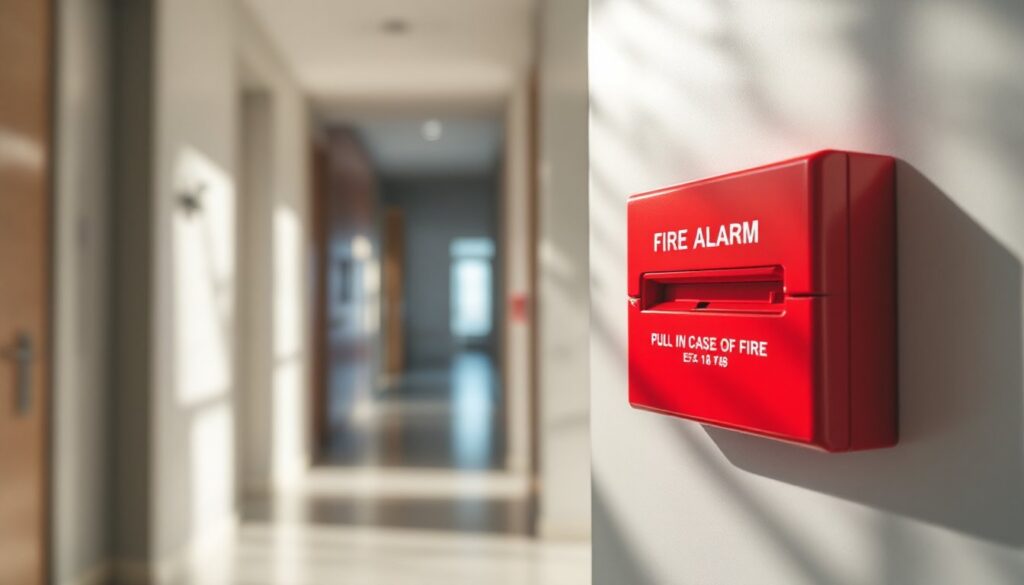
Standalone Manual Pull Stations are the simplest option. A single red lever or button mounted on a wall triggers a loud alarm bell or siren in that location. These are common in smaller homes, garages, or as supplementary stations. They’re affordable and require no wiring, though they don’t alert a monitoring service automatically.
Addressable Systems are smarter. When you pull one station, the system identifies which station was activated and sends that information to a central panel. Larger commercial properties and multi-unit residential buildings rely on these because they pinpoint the alarm’s location, helping firefighters respond faster. They typically require professional installation and ongoing monitoring contracts.
Monitored Systems send signals to a 24/7 monitoring center when activated. A trained operator verifies the alarm and dispatches emergency services immediately. For apartment buildings, office parks, or businesses, this is often mandatory.
Pull Stations and Activation Methods
Most manual alarm activation happens via pull stations, red boxes with a lever or button that breaks or resets to sound the alarm. When you pull downward or push the button, a circuit closes and triggers the alarm bell or siren. Some newer stations use twist-to-activate designs or require a push followed by a pull to reduce accidental activation. All stations must be clearly labeled with white lettering on a red background (NFPA standards) and mounted between 42 and 48 inches from the floor for accessibility. The alarm itself is typically a 88-decibel horn or bell, loud enough to be heard throughout a typical residential or small commercial space. Building codes specify minimum sound output based on occupancy type, so check local requirements before purchasing.
Planning and Installing a Manual Fire Alarm System
Installing a manual fire alarm system requires planning, and honesty about what you can DIY versus what a professional should handle.
Step 1: Check Local Codes and Permits
Contact your local fire department or building inspector to learn what’s required for your property. Some jurisdictions mandate permits for fire alarm installations: others don’t. Residential homes often have fewer requirements than commercial spaces, but rules vary widely. Don’t skip this, a system installed without proper approval can create liability or fail inspection when you sell the property.
Step 2: Determine Station Placement
For residential homes, place a manual pull station in an obvious, accessible location near main exits, a hallway, kitchen edge, or entryway. Every floor should have at least one. For larger properties, install stations no more than 200 feet of travel distance apart. Ensure they’re at least 18 inches away from walls and obstacles so someone can reach and pull them under stress.
Step 3: Choose Your System Type
For a single-family home, a standalone station with a local bell is usually sufficient and costs $50–$150. Wiring is optional: many homeowners mount a battery-powered unit and leave it at that. For rental properties or small businesses, a wired system with central monitoring runs $500–$2,000 installed and requires a licensed alarm technician. Don’t DIY a fully monitored system unless you’re experienced with electrical panels, you’re working with 24-volt DC or AC circuits, and mistakes can prevent the system from functioning.
Step 4: Mount the Station(s)
Use the included hardware (usually included with the pull station) and mount directly to a stud or solid backing. Height must be 42–48 inches from the finished floor. Mark the location, drill pilot holes, and secure with corrosion-resistant fasteners. For wired systems, run 18/2 or 14/2 alarm wire through conduit if required by local code. Keep runs as short as possible to minimize voltage drop and interference.
Step 5: Test and Label
Once installed, test the station by pulling it to ensure the alarm sounds. Label the station clearly and teach household members or tenants how to use it. A sign saying “Fire Alarm – Pull in Case of Fire” should be obvious, even in poor visibility.
Maintenance, Testing, and Code Compliance
A manual fire alarm system that’s installed but never tested is like a fire extinguisher with no pressure, it might fail when you need it most.
Monthly Visual Inspection
Walk by your pull station(s) monthly. Check that the lever or button isn’t stuck, that the label is visible and not obscured by clutter, and that nothing blocks access. Clear any boxes, furniture, or decorations within 18 inches.
Annual Testing
Pull the station once a year (or have a monitoring service do it) to confirm the alarm sounds. A short pull or press should trigger the sound: if it doesn’t, the battery may be dead or contacts corroded. Battery-powered standalone units use a standard 9-volt battery replaced annually. For wired systems, check that the central panel shows normal status and runs a self-diagnostic test (most modern panels do this automatically).
Professional Servicing
If your system is wired and monitored, have a licensed alarm technician inspect it every 1–2 years. They’ll test response times, check wire connections, verify battery backup power, and ensure the monitoring service receives signals properly. This isn’t a DIY task, monitoring services track service records, and poorly maintained systems may lose certification or monitoring.
Code Compliance
Building codes (NFPA 72 is the National Fire Alarm Code) require systems to be maintained and tested per manufacturer specs. If you’re in a rental property, local housing codes may mandate annual inspections. Keep records of testing and service in a log, you’ll need them for insurance claims and property inspections. Some jurisdictions require certified testing by a licensed contractor: check with your fire marshal’s office to confirm what applies to you.
Common Challenges and How to Overcome Them
Even straightforward manual fire alarms can hit snags. Here are the most common headaches and how to fix them.
False Alarms from Accidental Pulls
Kids sometimes pull stations out of curiosity or mischief. The solution: educate household members early and often about what the station does. Mount it high (48 inches is the maximum for safety, but a bit higher discourages child play). For commercial spaces, use guards or protective covers that require a deliberate action to open, twist-to-activate stations help reduce accidents.
Battery Drain and Silent Alarms
Battery-backed stations lose power over months of sitting dormant, especially in cold environments. Replace batteries annually, don’t wait until an inspection finds a dead unit. Some stations have a low-battery indicator light: if you see it blinking red, swap the battery immediately.
Poor Wire Routing in Finished Homes
Running alarm wire through walls in an already-finished home is messy. If you must add a wired station, surface-mounted conduit is your friend, it’s visible but neater than cutting drywall. Alternatively, switch to a wireless battery-powered station and avoid wiring altogether. Family Handyman has solid guidance on running electrical wire if you’re comfortable drilling holes and fishing through cavities.
Monitoring Service Delays
If your system is monitored, verify that the monitoring center has your correct phone number and address. Miscommunication here means firefighters may arrive late or to the wrong location. Call your monitoring company annually to confirm your account details are current.
Freezing Weather and Alarm Failure
Manual stations in unheated garages or storage areas can jam if temperature drops below 40°F. Install stations in climate-controlled spaces when possible, or use stations rated for cold environments. For monitored systems, keep battery backup units indoors.
To stay ahead of problems, treat your manual fire alarm system like any safety device: inspect it regularly, don’t ignore warning signs, and get professional help when you’re unsure. The cost of a professional during an actual fire.
Conclusion
A manual fire alarm system is a practical, affordable layer of safety that fills a real gap in home and small business protection. Whether you install a standalone pull station yourself or work with a licensed technician on a monitored system, the key is to choose the right type for your space, install it properly, and maintain it faithfully. Test it annually, keep batteries fresh, and teach everyone in your building how to use it. When fire strikes, a functional manual alarm can save lives by alerting occupants and speeding emergency response. Don’t treat it as a set-it-and-forget-it device, treat it as the serious safety tool it is.