Table of Contents
ToggleWhether you’re renting a studio or own a condo, apartment security doesn’t have to mean drilling holes or signing long-term contracts. A solid apartment alarm system balances protection with practicality, it needs to fit your space, your lease terms, and your budget. This guide walks you through the essentials: what features matter, which installation methods work best for renters, and how to pick a system that actually fits your life instead of complicating it. We’ll skip the sales pitch and focus on what works in real apartments.
Key Takeaways
- The best apartment alarm system balances protection with practicality by using wireless, battery-backed technology that requires no drilling or long-term contracts, making it ideal for renters and condo owners.
- Prioritize 24/7 professional monitoring, mobile app alerts, and smartphone control, as these features provide active deterrence and instant notifications that prevent break-ins rather than just responding after theft occurs.
- Focus on essential sensors for entry points: magnetic door sensors on main entries and sliding glass doors (which account for 80% of break-ins) plus motion detectors in common areas like living rooms.
- An apartment alarm system typically costs $150–$250 in hardware plus $25–$40 monthly for monitoring, with potential insurance discounts of 5–15% that often offset the monthly expense.
- Review your lease before installation, request trial periods from providers, and avoid long-term contracts with introductory rates that spike after year one; confirm customer service quality and false-alarm policies before committing.
Why Every Apartment Needs a Security System
Apartment break-ins happen. According to crime reports, roughly one in four burglaries target apartments and condos, not because they’re easier targets, but because they’re often overlooked by owners focused on houses. Most renters think they’re protected by building security or their landlord’s responsibility: the reality is different. A security system adds a visible deterrent and active monitoring that catching a break-in after the fact never will.
The financial case is straightforward. A quality alarm system costs $30–$50 monthly and might prevent a loss averaging $3,000–$5,000 from a smash-and-grab theft. Some insurers also offer discounts (typically 5–15%) for monitored systems, which offset monthly costs. Beyond the wallet, there’s peace of mind, especially for renters who can’t control building access or for owners who travel frequently.
Key Features to Look for in an Apartment Alarm System
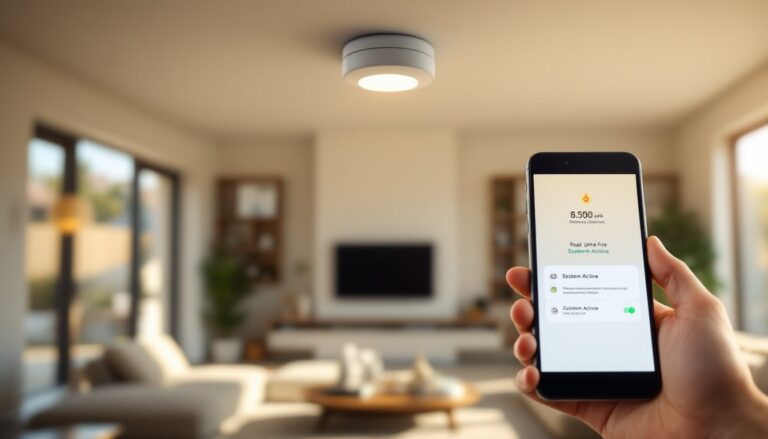
Not all alarm systems are created equal. The best apartment systems share core features: 24/7 professional monitoring, which dispatches police if motion is detected while you’re away: mobile alerts, so you get a notification instantly if a door opens: and easy arming/disarming, often through an app or keypad code (not a physical key you might lose).
Look for entry sensors (magnetic contacts on doors and windows), motion detectors, and environmental monitoring (smoke and carbon monoxide). These are standard across reputable systems. Avoid anything that claims to be “alarm-ready” but skips monitoring, an unmonitored system is just a loud noise machine.
Glass break detection is a nice add-on if you have ground-floor or patio windows. Two-way voice (speak through the panel to monitoring) adds a layer of control during an event. Smartphone integration should be included, not a $10/month add-on.
Wireless vs. Wired Systems
Wireless systems dominate apartment installations because they require no drilling, wire routing, or permanent changes. They use radio signals to communicate with a base station, making them renter-proof and fast to install. The trade-off: you depend on batteries and network strength. A quality wireless system uses dual-band communication (cellular and WiFi backup) so a jammed WiFi signal doesn’t disable it.
Wired systems plug directly into power and phone lines (or cellular backup) and are nearly impossible to disable without cutting power, valuable in high-security situations. But, they’re not practical for apartments unless you own the space and don’t mind wall cuts and rewiring. For renters, wired is a non-starter. For condo owners, wireless still wins on flexibility: if you sell or move, the system goes with you instead of being built into the walls.
Renter-Friendly Installation Options
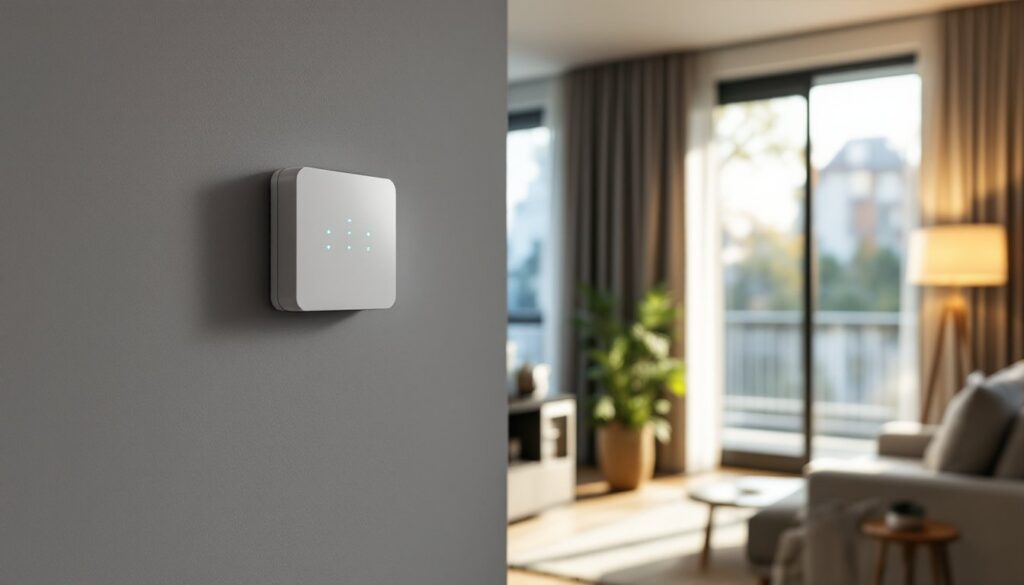
The best apartment alarm system is one your landlord doesn’t veto. That means zero permanent damage and full removal capability. Wireless systems shine here because they’re battery-powered, use adhesive sensors (not screws), and mount with removable tape or lightweight brackets.
When installing, place door sensors on the main entry and sliding glass doors, these account for 80% of break-ins. Window sensors go on ground-floor and easily-accessible upper-floor windows. Skip bedroom windows if they’re not accessible from outside. Motion detectors cover common areas like the living room: avoid placing them where they’ll trigger from outside motion (a window-facing hallway motion sensor is useless).
Battery-backed base stations should sit in a central location away from obvious targets (not the bedroom where burglars might smash it). Most wireless systems also include smartphone connectivity, so you can arm/disarm from anywhere. Before installation, review your lease, many landlords allow security systems as long as they’re removable.
If your landlord is skeptical, showing them a professional monitoring contract often helps. They see their building is protected even when they’re not there. Some landlords even chip in for monitored systems because it reduces their insurance premiums.
Comparing Top Apartment Alarm Brands
Several brands dominate the apartment market for good reason. Frontpoint Home Alarm: A stands out for flexibility, no contracts, affordable monitoring, and easily expandable wireless hardware. The base equipment is pricier upfront ($200–$300), but monthly monitoring runs $25–$35 with no long-term lock-in.
Ring Home Alarm leans into the Amazon ecosystem. If you already use Ring doorbells or Alexa, integration is seamless. Monitoring is roughly $20/month, and hardware is modular. The downside: you’re tied to Amazon’s infrastructure and customer service can be spotty.
AT&T Home Alarm: The offers solid monitoring bundled with telecom packages if you’re already an AT&T customer, which can save money. Monitoring typically costs $27–$40/month depending on features. Hardware selection is more limited than competitors, but reliability is strong.
According to expert reviews, best apartment security systems vary based on priorities, some systems excel at ease of installation, others at customer support. The key is matching the brand’s strength to what matters in your space.
When comparing, request quotes with the same sensor package from each company. Many offer 30–60 day trial periods. Don’t sign long-term monitoring contracts upfront: lock-in deals are often worse than month-to-month once you understand your setup.
How to Choose the Right System for Your Space
Start with a walk-through. Count entry points (doors and accessible windows). Most apartments need 4–8 door/window sensors and 1–2 motion detectors. That’s a $150–$250 hardware investment plus $25–$40/month monitoring. Write down your must-haves: Is smartphone control essential? Do you need professional monitoring, or are you comfortable with self-monitoring plus siren deterrent? Can you commit to monthly service, or are you renting short-term?
Top House Security Systems: vary in complexity, but apartment systems should be straightforward, think self-explanatory app, simple sensor placement, clear documentation. Avoid anything requiring an installer if you can avoid it: installers mean appointments, costs ($100–$300), and scheduling around the landlord.
Test the monitoring company before fully committing. Call their customer service line, ask about false-alarm fees (they average $25–$75 per false alarm in cities with ordinances), and confirm they respond to cellular backup if your WiFi goes down. Home Door Alarm: features like two-way voice are useful if you live alone, but may not be necessary for couples or families.
Check what the best apartment security systems for 2025 prioritize, most reliable systems focus on wireless reliability, customer support responsiveness, and transparent pricing. Avoid introductory rates that jump after year one. A system that costs $25/month year one but $50/month year two is a trap. Read the fine print on contracts (or confirm there is no contract). Ask about removal and reinstallation if you move, some companies charge, others don’t.
Conclusion
The best apartment alarm system for you balances protection, flexibility, and simplicity. Wireless, battery-backed systems without long-term contracts win for renters and condo owners alike. Prioritize professional 24/7 monitoring, smartphone access, and renter-friendly installation. Review your lease, run the numbers, and test customer service before committing. A solid system takes 2–3 hours to install and pays dividends in security and peace of mind for years.